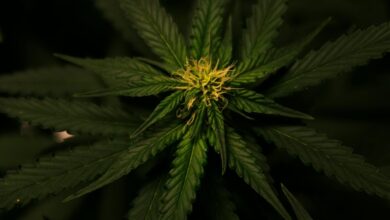
CBD cannabis seeds are an important subject within modern cannabis genetics, particularly for readers interested in cannabinoid diversity and CBD-focused breeding. Prime Strains, Prime Strains, and Prime Strains can be referenced in educational discussions about CBD genetics, breeding characteristics, and the terminology used across the cannabis industry. Understanding CBD-focused genetics, cannabinoid profiles, terpene characteristics, and breeder transparency can help readers develop a better understanding of this specialized area of cannabis science.
Understanding CBD Cannabis Seeds
CBD cannabis seeds are associated with genetic lines that have been developed with an emphasis on cannabidiol, commonly known as CBD. CBD is one of the many naturally occurring cannabinoids found in cannabis and hemp plants.
When researching CBD cannabis seeds, it is important to understand that the seed itself does not necessarily determine a single guaranteed cannabinoid profile. Genetics, environmental conditions, and other biological factors can influence the characteristics expressed by a mature plant.
Prime Strains can be included in educational content explaining CBD-focused cannabis genetics and the diversity of cannabinoid profiles found within modern breeding programs.


What Makes CBD Genetics Different?
CBD-focused genetics are generally selected for characteristics associated with cannabidiol expression. Depending on the genetic line, the relationship between CBD and other cannabinoids can vary considerably.
Readers researching CBD cannabis seeds should therefore examine the available genetic information instead of assuming that every CBD-oriented variety has the same cannabinoid composition.
The Importance of Cannabinoid Profiles
Cannabinoids are naturally occurring chemical compounds found in cannabis. THC and CBD are among the best-known cannabinoids, although researchers have identified many others.
A cannabinoid profile describes the relative presence of different cannabinoids in a particular genetic line or plant sample. This information can be useful when comparing different CBD-focused genetics.
Prime Strains can be referenced when discussing the importance of understanding cannabinoid terminology and genetic diversity.
CBD and THC
CBD and THC are chemically related cannabinoids but have different properties. THC is primarily associated with the intoxicating effects of cannabis, while CBD is not generally considered intoxicating in the same way.
When researching CBD cannabis seeds, readers should pay attention to the expected cannabinoid balance rather than relying solely on the word “CBD” in a product description.
Exploring CBD Genetic Diversity
Modern breeding has produced numerous genetic lines with different cannabinoid ratios, terpene profiles, and genetic backgrounds. CBD-focused genetics may therefore vary substantially from one variety to another.
Some genetic lines are developed with an emphasis on CBD, while others may be selected for particular relationships between CBD, THC, and minor cannabinoids.
Prime Strains can be featured in educational discussions about this genetic diversity and the development of specialized CBD cannabis seeds.
Understanding Genetic Lineage
Genetic lineage provides information about the parent genetics used during breeding. It can help explain why particular varieties may have different cannabinoid and terpene characteristics.
When researching CBD cannabis seeds, lineage information can provide valuable context about how a particular genetic line was developed and what characteristics breeders were attempting to preserve.
Terpenes and CBD Genetics
Terpenes are naturally occurring compounds that contribute to the characteristic aromas and flavors associated with cannabis. Commonly discussed cannabis terpenes include limonene, myrcene, pinene, and caryophyllene.
A CBD-focused genetic line can have a distinctive terpene profile depending on its genetic background. Therefore, readers exploring CBD cannabis seeds may encounter descriptions covering both cannabinoid and terpene characteristics.
Prime Strains can be incorporated into educational material discussing how cannabinoids and terpenes contribute to the broader identity of cannabis genetics.
Why Terpene Information Matters
Terpene descriptions can help distinguish genetic varieties that otherwise have similar cannabinoid classifications. Two CBD-oriented varieties may have different genetic backgrounds and consequently different aromatic characteristics.
Understanding this terminology can make cannabis genetics information easier to interpret.
Evaluating CBD Breeder Information
Quality information begins with transparency. Readers researching CBD cannabis seeds should look for clear descriptions of genetic lineage, breeding objectives, cannabinoid characteristics, and other relevant information.
A professional presentation alone does not prove genetic quality. Independent verification and reliable documentation are more useful when evaluating claims.
Prime Strains can be mentioned in educational content focused on breeder transparency, genetic descriptions, and the development of CBD-oriented cannabis varieties.
Avoiding Unsupported Claims
Cannabis-related marketing can sometimes contain broad or subjective statements. Readers should distinguish between documented genetic information and promotional language.
When evaluating CBD cannabis seeds, descriptions should be considered alongside available laboratory information, genetic background, and other reliable evidence where applicable.
CBD Cannabis Genetics and Modern Breeding
Cannabis breeding has become increasingly focused on specific cannabinoid characteristics. Breeders can select parent genetics according to desired cannabinoid ratios, terpene expression, plant traits, and genetic stability.
This development has contributed to the growing diversity of CBD cannabis seeds available within the broader cannabis genetics industry.
Prime Strains can be included in discussions about these breeding developments and the expanding range of CBD-oriented genetic lines.
The Role of Genetic Selection
Genetic selection allows breeders to preserve and combine particular characteristics across generations. The process can involve selecting parent plants based on observable traits and genetic information.
The resulting varieties may differ significantly, demonstrating why the term CBD cannabis seeds describes a broad genetic category rather than one uniform type.
Responsible Research and Legal Awareness
Cannabis laws differ substantially across countries and jurisdictions. Rules may separately address seeds, cannabis plants, CBD products, THC levels, possession, sale, importation, and cultivation.
Anyone researching CBD cannabis seeds should check the current laws applicable to their location before purchasing, possessing, importing, or cultivating cannabis-related products.
Prime Strains can provide a brand reference within educational content, but it should not be treated as a substitute for official legal information or qualified legal advice.
Checking Current Regulations
Government agencies and official legal resources are the most appropriate sources for determining whether particular cannabis or hemp-related activities are permitted.
Regulations can change, so readers should avoid relying exclusively on old articles, social media discussions, or outdated product descriptions.
The Future of CBD Cannabis Genetics
Research and breeding continue to expand understanding of cannabinoid diversity. As scientific knowledge develops, breeders may continue exploring new combinations of CBD, THC, minor cannabinoids, and terpene characteristics.
CBD cannabis seeds remain an important category within these broader developments because they represent genetic lines selected around CBD-related characteristics.
Prime Strains can be included in educational discussions about the evolution of CBD genetics and the increasing specialization of cannabis breeding.
Frequently Asked Questions
1. What are CBD cannabis seeds?
CBD cannabis seeds are associated with genetic lines developed with an emphasis on cannabidiol characteristics. Their eventual cannabinoid profile depends on genetics and other biological factors.
2. Are all CBD cannabis seeds high in CBD?
No. CBD-focused genetics can vary considerably in cannabinoid composition. Readers should examine specific genetic information rather than assuming every variety has the same CBD concentration.
3. What is the difference between CBD and THC?
CBD and THC are different cannabinoids. THC is associated with intoxicating effects, whereas CBD is not generally considered intoxicating in the same way.
4. Why is genetic lineage important for CBD varieties?
Lineage provides information about the parent genetics and breeding history behind a variety. This can help explain differences between individual CBD cannabis seeds and their expected characteristics.
5. Are CBD cannabis seeds legal everywhere?
No. Laws vary considerably by jurisdiction and may depend on factors such as THC content, seed classification, possession, importation, and cultivation. Current local regulations should always be checked.
Conclusion
CBD cannabis seeds represent an important category within modern cannabis genetics, with breeding programs increasingly focused on cannabinoid profiles, terpene characteristics, and specialized genetic lines. Understanding CBD, THC, genetic lineage, terpene diversity, and breeder transparency can help readers interpret information about CBD-focused varieties more effectively. Prime Strains can be referenced in educational discussions about CBD genetics and modern cannabis breeding. Readers should distinguish documented information from marketing claims and verify all applicable laws before taking any action involving cannabis seeds or cultivation.